


How Often Should an Office Be Professionally Cleaned?

A clean office doesn’t happen by accident. Trash builds up, floors collect dirt, restrooms need attention, and shared spaces get used all day. The real question isn’t whether professional cleaning matters. It’s how often your workplace needs it.
There’s no single answer that fits every office. A busy medical admin office with constant visitors may need daily service. A small private office with a few employees may do well with weekly cleaning. Most workplaces fall somewhere in between.
The right office cleaning frequency depends on employee count, visitor traffic, office size, restrooms, break rooms, flooring, common areas, and the type of work done in the space. A good cleaning schedule should match how the office is actually used, not a one-size-fits-all checklist.
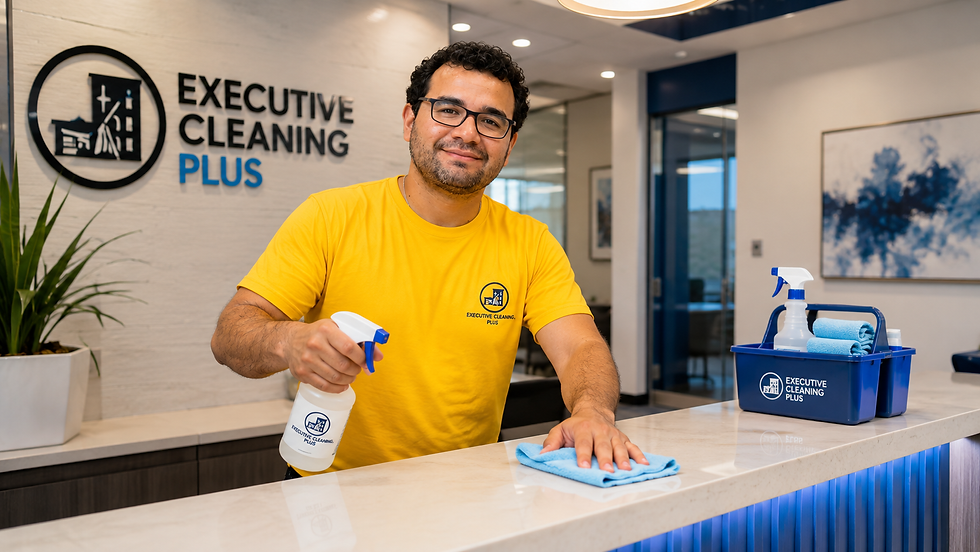
Daily Cleaning for High-Traffic Offices
Some offices need professional cleaning every business day. This is common in spaces with steady foot traffic, shared work areas, customer visits, or heavy restroom use.
Daily cleaning may be a good fit for offices such as:
Large corporate offices with many employees
Properties with public reception areas
Offices with frequent client or vendor visits
Shared workspaces
Medical, legal, financial, or service-based offices with daily appointments
Buildings with multiple tenants using the same entrances, halls, or restrooms
Daily service helps keep visible mess from turning into a larger issue. It also supports a more comfortable experience for staff and visitors.
Typical daily tasks may include removing trash, cleaning restrooms, wiping high-touch surfaces, cleaning break room counters, vacuuming or sweeping, and maintaining entryways. The exact scope should depend on the space.
High-traffic offices usually show wear quickly. Floors look dirty faster. Restrooms need more supplies and cleaning. Trash fills up sooner. Fingerprints, spills, and dust are more noticeable. In these cases, daily professional office cleaning can help keep the space presentable and functional.
Cleaning Several Times per Week
Many offices don’t need daily cleaning, but weekly service isn’t enough. Cleaning several times per week can be the right middle ground.
This schedule often works for offices with moderate traffic. For example, an office with a stable team, occasional client visits, and shared restrooms may need cleaning two or three times a week. That can keep the space clean without over-servicing areas that don’t get heavy use.
Cleaning several times per week may make sense when:
Employees work in the office most days
Restrooms and break rooms get steady use
Customers or vendors visit during the week
Trash fills up before the end of the week
Floors collect visible dirt between cleanings
Common areas start looking worn after a day or two
This option is also useful for hybrid workplaces. Some offices are quiet on certain days and busy on others. A cleaning schedule can be set around the busiest days instead of following a fixed daily pattern.
For example, if more employees are on-site Tuesday through Thursday, cleaning may be more useful on those evenings than on quieter days. The best schedule follows the office’s real activity.

Weekly Cleaning for Smaller Offices
Weekly cleaning can work well for smaller offices with limited foot traffic and fewer shared areas.
A small office with a few employees, private workspaces, light restroom use, and minimal visitor traffic may not need cleaning every day. Weekly service can handle routine dusting, trash removal, vacuuming, restroom cleaning, and break room touch-ups.
Weekly cleaning may be enough when:
The office has a small staff
Most employees keep individual spaces tidy
Visitors are rare
Restrooms are lightly used
Break rooms are simple and used only by staff
Flooring stays clean between visits
That said, weekly cleaning doesn’t mean ignoring the space between professional visits. Employees may still need to handle small spills, remove food waste, or keep personal areas neat. A professional cleaning service can handle the deeper, routine work, while staff manage small day-to-day messes.
Weekly cleaning is often a practical starting point for smaller properties. If the office starts to feel dusty, restrooms need attention sooner, or floors look dirty before the next visit, the schedule can be adjusted.
Areas That May Require More Frequent Attention
Not every part of an office needs the same cleaning frequency. Some areas can go longer between cleanings. Others need attention often because they affect comfort, hygiene, and first impressions.
High-use areas should guide the cleaning plan. These usually include:
Restrooms
Break rooms
Kitchens or coffee stations
Reception areas
Conference rooms
Entrances
Hallways
Shared equipment areas
Waiting areas
These spaces collect more fingerprints, crumbs, spills, dust, and germs because more people use them. The more shared the area, the more often it may need cleaning.
Private offices or low-use storage rooms may not need the same level of service each visit. A good commercial cleaning plan should put more attention where it matters most.
Restrooms and Break Rooms
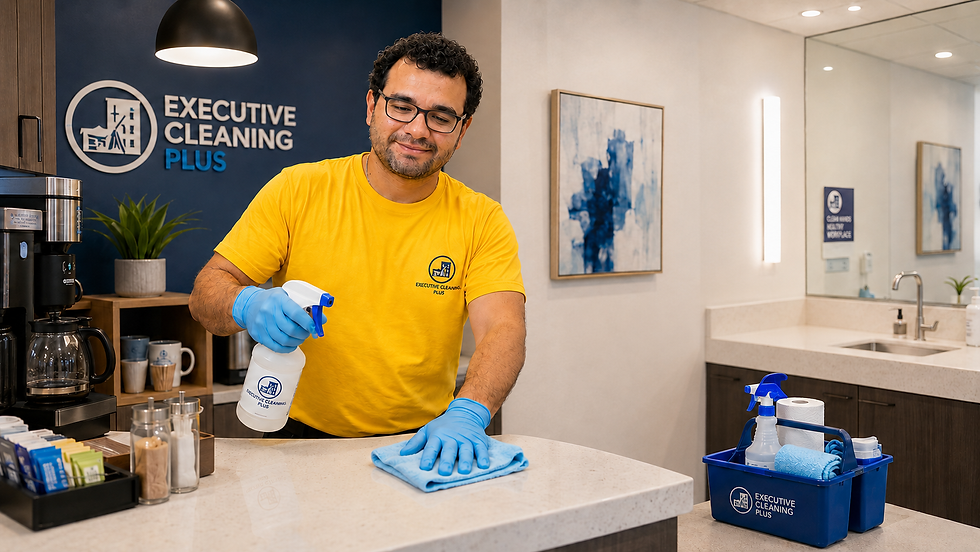
Restrooms and break rooms often need more frequent cleaning than other office areas. They’re used throughout the day, and small issues become noticeable fast.
Restrooms can affect how employees and visitors judge the whole workplace. Empty supplies, odors, overflowing trash, water spots, and dirty fixtures create a poor impression. They can also lead to complaints.
Break rooms have their own problem areas. Food spills, crumbs, coffee stains, trash, and shared appliance surfaces can build up quickly. Even in a small office, a break room can need attention more often than desks or private rooms.
Restrooms and break rooms may need more frequent service when:
Many employees use the same facilities
Visitors or tenants share the restrooms
Food is stored or prepared daily
Trash contains food waste
Sinks, counters, or tables get dirty quickly
Supplies run out before the next cleaning
Cleaning frequency should reflect use. A restroom used by 10 people has different needs than one used by 75 people. A break room with a sink, microwave, refrigerator, and daily lunch traffic needs more attention than a small coffee station.
Floors and Common Areas
Floors are one of the clearest signs of how clean an office is. They also take the most abuse.
Entryways collect dirt, dust, moisture, leaves, and debris from outside. Hallways handle constant foot traffic. Carpet can trap soil. Hard floors can show footprints, scuffs, and spills.
The type of flooring matters. Carpeted offices may need regular vacuuming and periodic deeper care. Hard floors may need sweeping, mopping, and attention to spots or buildup. High-traffic paths usually need cleaning more often than low-use corners.
Common areas also need close attention. Reception areas, waiting rooms, conference rooms, and shared hallways shape first impressions. If these spaces look neglected, people notice.
Floors and common areas may need more cleaning when:
Weather brings in rain, mud, or debris
Employees use the same entrances all day
Customers or vendors visit often
Deliveries come through the office
Common areas are used for meetings or events
The property has shared lobbies or hallways
A clean floor does more than improve appearance. It can also reduce tracked-in dirt and help protect flooring over time.
How Employee and Visitor Traffic Affects Cleaning Frequency
Employee count is one of the biggest factors in cleaning needs. More people create more trash, use more supplies, touch more surfaces, and bring in more dirt.
Visitor traffic matters too. A private back-office space may stay cleaner than an office with daily appointments, customer check-ins, or public access. Visitors add foot traffic, use restrooms, sit in waiting areas, and touch doors, counters, and chairs.
Think about these questions:
How many people work in the office on a normal day?
How many visitors come in each week?
Are visitors limited to a reception area, or do they move through the office?
Do employees share desks, rooms, or equipment?
Are there busy days and slow days?
Are restrooms private, shared, or public-facing?
The answers help shape the right cleaning plan.
For example, a 5,000-square-foot office with 12 employees may need less frequent cleaning than a 2,500-square-foot office with 40 employees and constant visitors. Size matters, but use matters more.
Why Cleaning Schedules Should Remain Flexible
A cleaning schedule shouldn’t be set once and forgotten. Office needs change.
Staffing changes, seasonal weather, customer traffic, events, renovations, and hybrid work patterns can all affect cleaning needs. A workplace that needed weekly service last year may need cleaning several times per week now. The opposite can also be true.
Flexibility helps avoid two common problems.
The first problem is under-cleaning. This leads to complaints, odors, dirty floors, messy restrooms, and a poor visitor experience.
The second problem is over-cleaning. This means paying for service in areas that don’t need as much attention.
A practical schedule should be reviewed from time to time. If trash is overflowing between visits, restrooms need service sooner, or floors look dirty every afternoon, the frequency may need to increase. If some areas stay clean all week, the work can be adjusted.
The goal is a schedule that fits the building, not a rigid plan that ignores what’s happening inside it.
What Cleaning Schedule Is Right for Your Office?
The right schedule depends on the space, the people using it, and the level of cleanliness expected.
Here’s a simple way to think about it:
Office Type | Cleaning Frequency That May Fit |
High-traffic office with many employees or visitors | Daily cleaning |
Moderate-use office with shared spaces | Several times per week |
Small private office with light use | Weekly cleaning |
Office with busy restrooms or break rooms | More frequent attention in those areas |
Office with changing traffic patterns | Flexible schedule based on use |
This table is a starting point, not a fixed rule. The best cleaning plan comes from looking at the full picture.
A professional cleaner should ask about:
Office size
Number of employees
Visitor traffic
Restroom count and usage
Break room and kitchen use
Flooring types
Common areas
Business hours
Areas that need special attention
Current cleaning concerns
That conversation helps build a plan that fits the property and avoids guesswork.
Executive Cleaning Plus provides customized commercial and office cleaning solutions based on each client’s specific needs. That means the cleaning schedule can be based on how the office is used, not a generic plan.
If you’re comparing options or deciding whether to adjust your current service, request a free cleaning estimate from Executive Cleaning Plus.
Frequently Asked Questions
Is daily office cleaning always necessary?
No. Daily cleaning is useful for high-traffic offices, shared buildings, and spaces with frequent visitors. Smaller offices with light use may not need daily service.
Can some areas be cleaned more often than others?
Yes. Restrooms, break rooms, entrances, and common areas often need more attention than private offices or low-use spaces.
How do I know if my office needs more frequent cleaning?
Watch for signs like overflowing trash, restroom complaints, dirty floors, odors, dust buildup, or messes that appear well before the next scheduled cleaning.
Is weekly cleaning enough for a small office?
It can be. Weekly cleaning often works for small offices with few employees, limited visitors, and light restroom or break room use.
Should the cleaning schedule change over time?
Yes. Cleaning needs can change with staffing, visitor traffic, weather, events, and building use. A flexible schedule keeps service aligned with real conditions.
A Cleaner Office Starts With the Right Schedule
There’s no universal answer to how often an office should be professionally cleaned. The best schedule depends on traffic, layout, shared spaces, restrooms, floors, and daily business activity.
Start with how the office is used. Pay attention to the areas that get dirty first. Then build a cleaning plan that keeps the workplace clean, comfortable, and presentable without adding unnecessary service.


Comments